Kansas City swings. One week you are running the fan because the sun feels warm, the next week you are pulling the thermostat back down because a sharp front slid in from the north and the air turned damp and cold. That rhythm is tough on HVAC equipment, even if your system spent winter “mostly fine.”
A spring tune-up is not about chasing perfection. It is about making sure your air conditioner starts the season ready to work, your controls behave the way they should, and small issues get corrected before they become expensive breakdowns in July. I have seen the same pattern year after year: systems that were “fine” until a heat wave hit, then suddenly they are short cycling, blowing lukewarm air, or shutting down on safety. Most of those failures are preceded by telltale signs during the shoulder season, when the weather is mild enough that you can still schedule service without panic.
In this part of Missouri, where humidity is not a footnote but a daily reality, an AC that is a little off can feel “almost working” while still underperforming. The tune-up is how you close those gaps.
What changes in spring for your system
When spring arrives in Kansas City, the demand profile shifts quickly. During winter, many homes rely on heating and the air handler sees a different airflow pattern. Once you flip to cooling, the system has to do a different job immediately, often after months of inactivity.
That transition matters because spring is when you discover the “hidden” problems that were present all winter but did not fully show themselves. A few examples I run into regularly:
- Dirty filters and restricted airflow can quietly build up during winter. Then, when cooling starts, the coil may never reach the temperature drop it needs to remove humidity effectively. Homeowners often describe it as “it feels cool, but it’s still sticky,” and they are not imagining it. Condensate drainage issues can be worse when humidity rises. If the drain line is partially blocked, the system may drain poorly, leading to nuisance shutdowns or water where it should not be. Electrical components and contactors can degrade gradually. A unit might run through the last day or two of mild weather, then trip under higher load later.
A well-timed AC maintenance in Kansas City is really about catching those transitions early.
The Kansas City humidity factor
People who have lived here long enough learn the same lesson: cooling is not just temperature. It is humidity control. When the humidity is high, you can run your thermostat at a comfortable setpoint and still feel uncomfortable if the system cannot remove moisture. That is why tune-ups are not only about whether your AC turns on, but whether it performs through the real load you will see in June and July.
Even a small problem in airflow or refrigerant charge can cause the coil temperature to drift. When the coil is not operating where it should, you do not get proper condensation. The result is a home that feels warmer than it reads, doors that stay shut because you do not want the humidity outside to “creep in,” and a higher chance of occupants getting irritated by stale air.
In practice, that can show up as frequent cycling, longer run times, and a lingering damp smell in some rooms. Those are not always “air quality” issues in the usual sense. Sometimes they are a cooling performance problem.
The tune-up is also a safety and reliability check
There is a common misconception that HVAC tune-ups are purely mechanical, like lubrication and filter changes. In reality, a spring service visit is also about verifying the health of the system’s safety controls and electrical behavior.
Air conditioners and heat pumps rely on a chain of components that have to agree with each other: thermostat signals, indoor blower speed, outdoor compressor and fan operation, pressure readings, and control boards that interpret temperatures and pressures. When any link is weak, the system compensates. Compensation works until it does not.
A technician will typically check thermostat operation, inspect electrical connections, confirm airflow and temperature differences across the indoor coil, and verify refrigerant-related performance indicators. They also look at the drainage pathway, because a clogged drain is not just a mess, it is a condition that can trigger shutdowns or water intrusion. If you are paying attention, you can also notice early symptoms: the outdoor unit might run but not cool as expected, or the system could start strong and then fade.
If you want AC repair in Kansas City MO or HVAC repair in Kansas City MO later, it is far easier to schedule the repair when you have time than when the system is already down. A proactive tune-up is the scheduling advantage.
Real signs your system needs attention before full summer
Sometimes the tune-up is obvious. The thermostat has been acting up, the outdoor unit makes an odd sound, or there was a refrigerant issue last year. Other times it is subtler. Here are a few of the most common “quiet” symptoms I have encountered in Kansas City homes:
- Air feels cooler at first, then warmer after several minutes The system runs longer than it used to to reach the same temperature Indoor humidity stays higher than you expect, even at a reasonable setpoint The outdoor unit cycles on and off frequently, especially once it warms up Weak airflow from vents, often paired with a filter that looks “not too bad” but is still restricting
Some of these problems could be minor, like a blocked evaporator coil from dust. Others can point to a bigger issue, such as a failing fan motor or a refrigerant-related performance problem. That is exactly why a spring tune-up is worth it. You do not have to guess.
What a proper spring HVAC tune-up usually includes
No two homes are identical, and no two systems are identical. Some households have newer, variable-speed equipment, others have older systems that still run reliably but need a more careful baseline check. A good HVAC contractor in Kansas City MO will tailor the service to the equipment and the home, but the intent stays the same: confirm airflow, verify cooling performance, inspect components, and document what you have.

A tune-up should not be a generic “we checked the thermostat and we left.” It should be a real inspection and testing process based on how your system is actually operating.
Here is what I consider a practical core set of checks for an air conditioner tune-up in the Kansas City area:
- Replace or verify the correct indoor air filter type and ensure proper airflow Inspect and clean the outdoor unit components and verify air passages are not obstructed Confirm indoor airflow through temperature measurements across the coil and supply/return balance Inspect condensate drain routing and confirm it drains properly during operation Check electrical connections and key operating controls for safe, stable behavior
That list is intentionally “tight.” Many technicians add more steps, like measuring condenser fan operation, checking capacitor condition, or verifying thermostat configuration for proper staging and cycle behavior. Those details depend on your system type and age.
If your home has an older furnace paired with a newer AC coil or has a heat pump, the tune-up approach can differ slightly. The point is that a thoughtful technician will look at the whole system, not just the outdoor unit.
A quick story from the field: the “lukewarm and humid” complaint
A couple months ago, a homeowner called about a problem they could not quite describe. Their AC ran, and the thermostat confirmed it reached the setpoint. Yet the house felt damp, and the air smelled stale after the system cycled off. They had replaced the air filter and believed that should solve it.
When the unit started, the indoor blower moved air, but the cooling performance was not quite right. The system was effectively “trying,” but it was not removing humidity the way it should. The evaporator coil needed attention, and the airflow was slightly restricted, which prevented the coil from doing its job efficiently. Once the airflow and coil condition were addressed, the temperature drop came back into a normal range, and the indoor humidity behavior improved.
This is the kind of issue that can turn into a much bigger problem later. If you ignore that “sticky comfort” feeling, you keep running the system harder to compensate. The compressor works under conditions that are not ideal, and the system’s runtime increases. That wears things down faster and costs more in electricity.
A spring tune-up is how you catch that situation early, before your monthly bill spikes and before you are stuck waiting for emergency HVAC repair.
How to tell a good service visit from a rushed one
Not every “tune-up” is equal. Some visits are excellent, and others are thin. You are the customer, so you should feel comfortable asking questions and expecting clarity.
A technician should be able to explain what they observed and what they adjusted. They should also be comfortable discussing trade-offs. For example, some homeowners ask whether they can skip cleaning the outdoor coil if it looks “okay.” A good technician will weigh the visible condition against what airflow and temperature measurements indicate. In a place like Kansas City, outdoor coils can load up with grass clippings, dust, and pollen even when the unit does not look filthy. If the measurements show a performance impact, cleaning is not optional.
If you are shopping for AC maintenance in Kansas City, a useful question is how the technician verifies cooling performance and airflow. If the conversation stays vague, you may want to look elsewhere.
Why spring scheduling is the smart time
Spring is not just a convenient time to get your system worked on. It is also the best time to avoid peak demand and to catch problems when options are plentiful.
In late spring and early summer, scheduling gets tighter. When a heat wave lands, everyone calls, not just homeowners whose systems are failing. People with systems that are “borderline” suddenly notice the limits. That is why you want your system tuned before the steady heat arrives.
Also, if something does need repair, you have time to plan. A spring tune-up can uncover a component that is failing but not fully broken. Replacing that component earlier can prevent the cascade failure that sometimes happens when a failing part forces the rest of the system to strain.
The trade-offs homeowners should consider
Even though I recommend proactive maintenance, there are trade-offs to acknowledge.
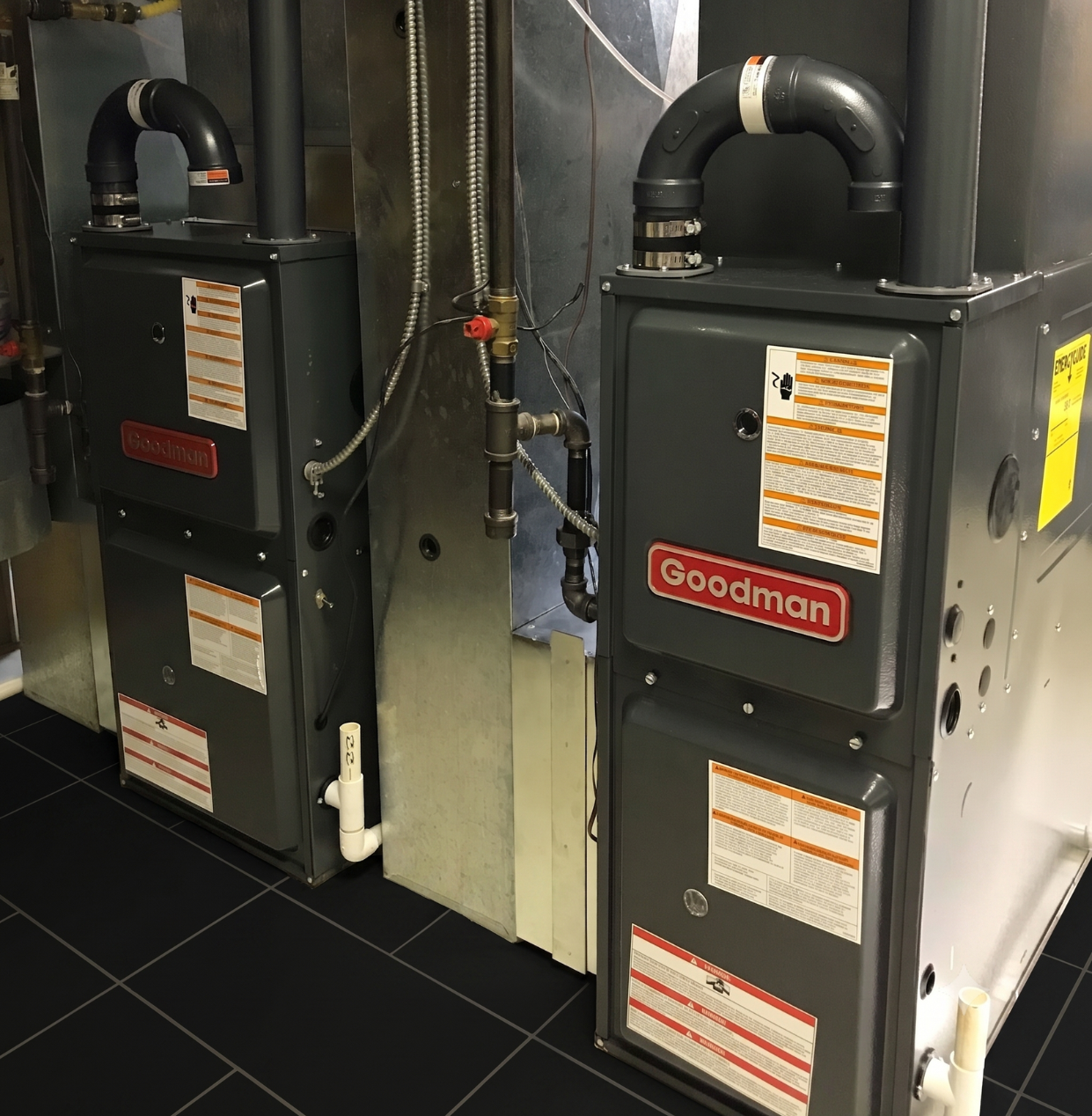
Some homeowners wonder whether paying for a tune-up provides enough value if the system is new. If your system is still under warranty, maintenance can sometimes be required to keep coverage intact, depending on the manufacturer’s requirements. Even when warranty coverage exists, you still want your system to perform well. A new system still benefits from verifying airflow and settings, especially after the first seasons of operation and changing pollen and dust loads.
Other homeowners ask if they should wait until the first major cooling day. I understand the urge to delay expenses, but in Kansas City the first major cooling day might be a cold start, literally. Outdoor conditions can vary, and if you wait until the system is stressed, you are more likely to discover problems during peak demand. That can mean higher costs and longer downtime.
Then there is the “budget repair” question. If the technician identifies a part that can be repaired versus replaced, the decision depends on age, overall condition, and how the system behaves under load. Sometimes a repair is the right move. Sometimes it is a band-aid, and replacement becomes the smarter long-term solution. A reputable HVAC contractor in Kansas City MO should discuss those options without pressure, using the system’s actual condition, not guesswork.
Energy comfort: what changes after a good tune-up
A well-executed spring service tends to improve more than just whether the system runs. Here are the comfort and efficiency outcomes homeowners usually notice:
- Faster pull-down after the thermostat calls for cooling More consistent temperature through the house, especially in rooms that were previously warm or uneven Better humidity control, which often feels like the home is “breathing” more comfortably Reduced cycling and fewer “start stop” moments More predictable operation during hot afternoons
You may still see your electric bill fluctuate during a hot month, because that is driven by weather, occupancy, and thermostat habits. But the system will not be fighting avoidable inefficiencies.
Common spring issues technicians see in Kansas City
Springtime presents a set of challenges that are specific enough to be worth naming. In Kansas City, pollen, dust, and the transition from winter winds can impact both indoor and outdoor components. Add in grass and yard debris, and you get a all4onekc.com combination that affects coil performance and airflow.
Here are a few issues that come up repeatedly:
Restricted airflow from indoor dust and filter conditions is the simplest. It can look harmless until you measure temperatures and compare them to expected behavior.
Coil buildup is the next big category. Even if the unit “looks okay,” a thin layer of buildup on a coil can reduce heat transfer. That changes pressures and runtime. People often describe it as the system working hard, even though the house is not getting as cool as before.
Drain problems are another frequent theme. Condensate lines can trap debris or develop partial blockage over time. In spring, when humidity rises, that weakness becomes visible.
Finally, there is the electrical side. Contactors, capacitors, and fan motor components age gradually. A tune-up can identify warning signs before the unit fails mid-week during a warm spell.
One more checklist, and how to use it responsibly
If you are deciding whether to schedule AC maintenance in Kansas City or to wait, it helps to be concrete about your priorities. Below is a short decision checklist. Use it to guide your timing, not to replace a professional assessment.
- Have you noticed sticky humidity or uneven comfort in any room? Is the system older, or did it have a repair last cooling season? Does the outdoor unit sound different, or does it short cycle more than expected? Have you cleaned filters recently, and are supply vents showing normal airflow? Would you rather address issues in mild weather than after a heat wave starts?
If you answer “yes” to a couple of these, scheduling a spring tune-up is usually the safer move. If you answer “no” across the board, you can still consider maintenance, because some problems do not announce themselves until runtime increases.
Choosing the right HVAC contractor for spring work
A tune-up is a service, but it is also a relationship. When your equipment fails later, you want the same company that understands your system, your home, and your history.
Look for an HVAC contractor in Kansas City MO that communicates clearly. You should be able to ask questions about what they tested, what they found, and what they recommend next. The best teams are not afraid to show their work, and they do not treat your home like a random stop on a route.
It also matters that the contractor respects your time. If they schedule the appointment, they should show up prepared with the right tools to measure airflow and system performance, not just to eyeball the unit.
When it comes to AC repair in Kansas City MO and HVAC repair in Kansas City MO, you want a company that can handle not only the emergency calls, but the prevention calls too. Spring is the prevention call.
What to do right before and after your tune-up
You do not need to become an HVAC technician to prepare. A little homeowner coordination can make the appointment smoother and help the technician focus on the work.
Before the visit, make sure the access panels are reachable and the outdoor unit area is clear. If you have pets or children, plan for safe access and keep walkways free.
After the visit, pay attention for the first few days when cooling demand starts. If you notice an improvement, that is usually a good sign the tune-up corrected the baseline issue. If you notice a sudden new problem after service, call the company back. A responsible technician should want to confirm everything is operating as expected.
Also remember that performance can change during the first week after service because the system begins cycling differently as airflow and coil condition stabilize.
The bottom line: spring tune-ups protect comfort and your budget
In Kansas City, spring is not calm for your HVAC. It is the season when the system switches from heating mode to cooling mode, and that transition reveals problems that winter did not fully stress. A spring HVAC tune-up helps your AC handle humidity, run more efficiently, and operate reliably when the real heat arrives.
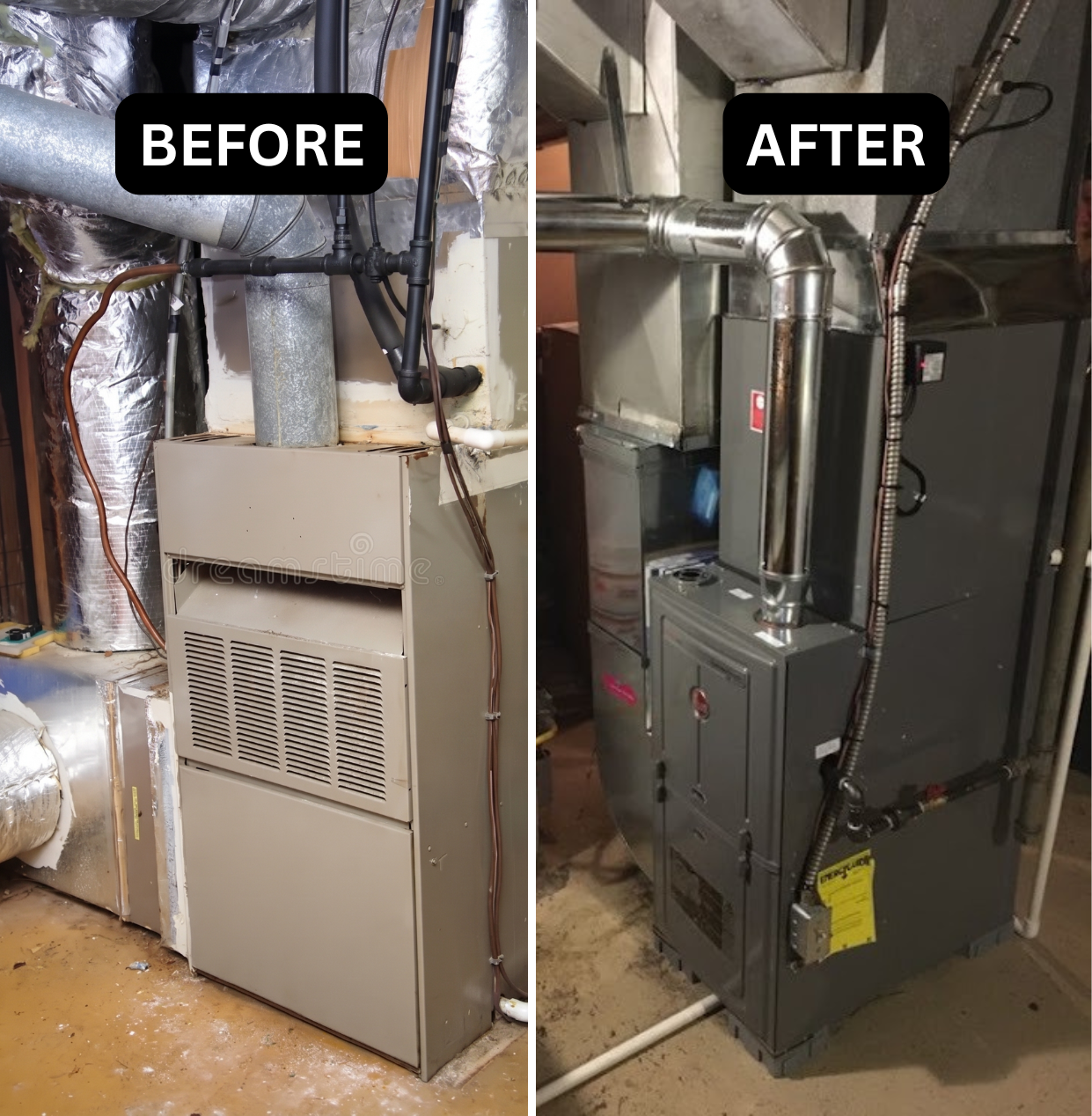
If you are thinking about AC installation in Kansas City, it makes even more sense to schedule maintenance after installation as part of settling the system into normal operation. If you are not planning to install anything new, maintenance still plays the role of risk reduction, comfort stability, and avoiding those emergency calls during the busiest weeks.
The best time to handle HVAC work is when the outside temperature is mild and you can make decisions without pressure. Spring is that time.
All 4 One Heating & Cooling
5828 Woodland Ave, Kansas City, MO 64110, United States
816-699-8366
[email protected]
Website: https://all4onekc.com/